
For more than four decades, Afghanistan has experienced repeated conflicts that have deeply affected every aspect of society. Millions of families have suffered displacement, loss of loved ones, destruction of infrastructure, and limited access to essential services.
The consequences of war extend far beyond the battlefield. Children lose educational opportunities, healthcare systems become overwhelmed, communities are divided, and economic development slows dramatically.
Humanitarian Consequences
Continuous conflict has resulted in:
- Mass displacement of families
- Civilian casualties
- Destruction of schools and hospitals
- Increased poverty
- Food insecurity
- Mental health challenges
- Interrupted education
These effects continue to impact future generations.
The Importance of Peace
Sustainable peace is essential for rebuilding communities and ensuring long-term stability. Peace allows citizens to access education, healthcare, employment opportunities, and justice without fear.
AIHRO supports initiatives that promote peaceful dialogue, conflict resolution, and respect for international human rights principles.
Protecting Human Rights During Conflict
Even during times of war, international humanitarian law protects civilians and guarantees basic human rights.
Our organization works to:
- Raise awareness about civilian protection.
- Document human rights concerns.
- Advocate for peaceful solutions.
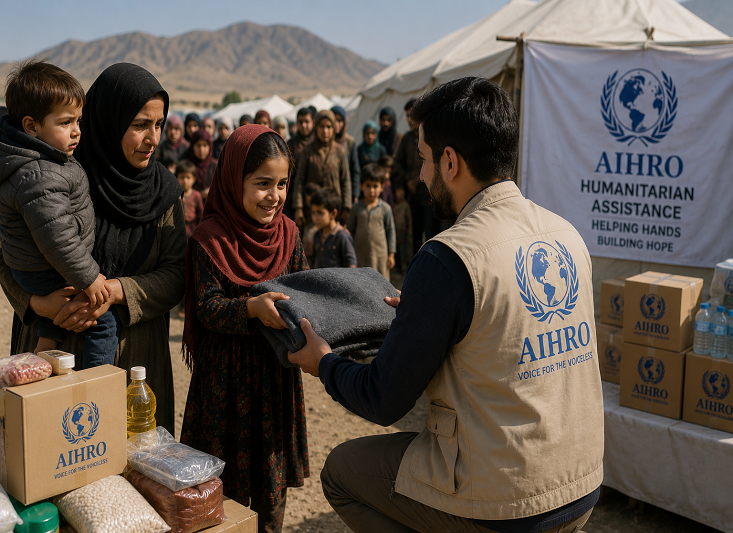
- Support humanitarian assistance.
- Promote accountability and justice.
Looking Toward the Future
Afghanistan’s future depends on education, cooperation, respect for human rights, and sustainable peace. Rebuilding requires the participation of governments, humanitarian organizations, civil society, and local communities working together.
Conclusion
The devastating effects of war remind us why peace and human rights must remain global priorities. Every individual deserves to live free from violence, fear, and discrimination.