
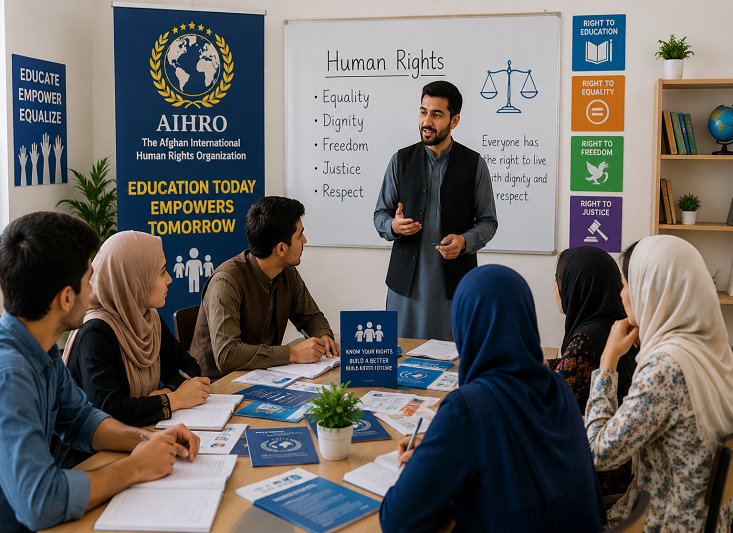
Education is one of the most powerful tools for promoting human rights, equality, and social justice. When people understand their rights and responsibilities, they become better equipped to protect themselves, support others, and contribute positively to their communities.
Human rights education goes beyond classrooms. It encourages respect for diversity, peaceful conflict resolution, gender equality, freedom of expression, and equal opportunities for everyone regardless of their background. These principles help create societies where every individual can live with dignity and security.
Young people especially benefit from learning about human rights at an early age. It develops leadership skills, critical thinking, empathy, and civic responsibility. Schools, universities, and community organizations all play an important role in preparing future generations to become responsible citizens who value justice and fairness.
Communities that invest in human rights education often experience stronger social cohesion, increased public participation, and greater trust between citizens and institutions. Educational programs also help reduce discrimination, violence, and misinformation by promoting understanding and mutual respect.
The Afghan International Human Rights Organization (AIHRO) believes that education is a cornerstone of sustainable development and lasting peace. Through awareness campaigns, workshops, research, and public engagement, AIHRO continues working to strengthen knowledge of fundamental human rights across communities.
Protecting human rights begins with understanding them. By sharing knowledge, encouraging dialogue, and supporting educational initiatives, everyone can contribute to building a safer, more inclusive, and more compassionate society for present and future generations.
Key Takeaways
- Human rights education promotes equality and justice.
- It empowers individuals to understand their rights and responsibilities.
- Education helps reduce discrimination and social conflict.
- Young people become responsible and informed future leaders.
- Strong communities are built through awareness, inclusion, and respect.
- AIHRO supports educational initiatives that encourage peace and human dignity.
Conclusion
Human rights education is not only about learning laws and principles—it is about creating a culture of respect, responsibility, and inclusion. By investing in education and raising awareness, communities can work together to protect fundamental freedoms and build a brighter future for everyone.