Literature of Afghanistan
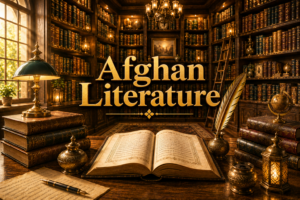
Afghanistan has deep, rich, and long-standing literature. The literature of this land has expressed the thoughts, feelings, history, culture, beliefs, love, pain, and hopes of its people over many centuries. Thousands of books, articles, studies, and literary works have been written about Afghanistan’s literature, and new books and studies are still being written in different parts of this wide literary world.
Afghanistan’s literature is not limited to one language or one literary form. It is a shared literary heritage of different languages, regions, and cultures. This wide literary world includes poetry, prose, stories, novels, folk literature, spiritual and heroic literature, historical and philosophical writings, satire, drama, literary criticism and research, and many other genres. Special books and academic studies have also been written about many of these genres.
Important Literary Genres
Poetry, ghazal, qasida, masnavi, rubai, qit’a, verse, free verse, stories, short stories, novels, fiction, epic literature, folk literature, folk stories, proverbs, landays, folk songs, spiritual literature, historical literature, philosophical literature, satire, drama, travel writing, memoirs, literary articles, literary criticism, literary research, and contemporary literature.
Women have also played a special role in the literary development of Afghanistan. Female poets, writers, researchers, and cultural activists have contributed to the development of literature and have reflected the lives, feelings, social experiences, problems, hopes, and demands of women in their literary works. Likewise, Afghan women have an important role in folk literature, or folklore. Most landays have been created and recited by women, and landays are an important part of literature.
Literature of the Languages of Afghanistan
Pashto Literature: It is a rich part of Afghanistan’s literary heritage. It includes classical and contemporary poetry, ghazal, qasida, masnavi, verse, folk literature, stories, novels, short stories, heroic and spiritual writings, and other genres. Many books, poetry collections, literary collections, and research works have been written in different areas of Pashto literature.
Dari Literature: It is one of Afghanistan’s rich literary heritages and has many examples of classical and contemporary poetry, ghazal, qasida, masnavi, rubai, spiritual, philosophical, historical, and story literature. Many books and research works have also been written in different areas of Dari literature.
Uzbek Literature: It is the cultural and literary heritage of the Uzbek-speaking people of Afghanistan. It includes poetry, folk stories, stories, and other literary works that describe their history, culture, and social experiences.
Turkmen Literature: It reflects the culture, traditions, and life of the Turkmen people. It includes folk poems, stories, songs, proverbs, and other oral and written literary works.
Balochi Literature: It is an important part of the cultural identity and literary memory of the Baloch people. Folk poems, stories, tales, proverbs, and songs have a special place in it.
Pashayi Literature: It is the literary heritage of the Pashayi language and culture. Oral and folk traditions, stories, songs, proverbs, and traditional literary materials have an important place in it.
Other languages of Afghanistan also have their own special oral, folk, and, in some cases, written literary heritages. The literature of all these languages together presents a complete picture of Afghanistan’s cultural and literary diversity.
Overall, Afghanistan’s literature is the shared memory and cultural mirror of a nation. Its feelings are reflected in poetry, its life in stories, its traditions in folk literature, its spirituality in spiritual literature, its past in historical literature, and the thoughts and experiences of today in contemporary literature.