
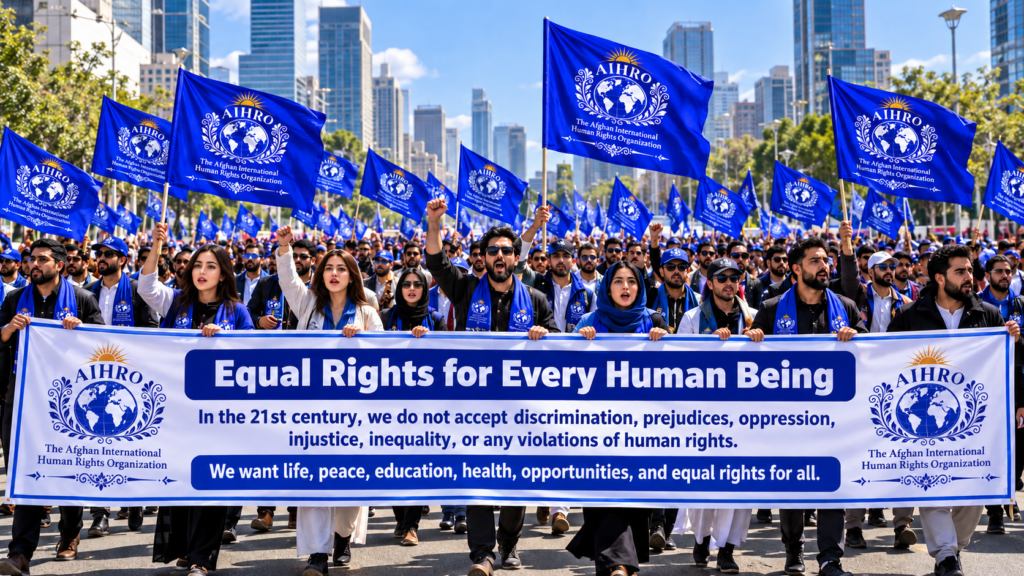
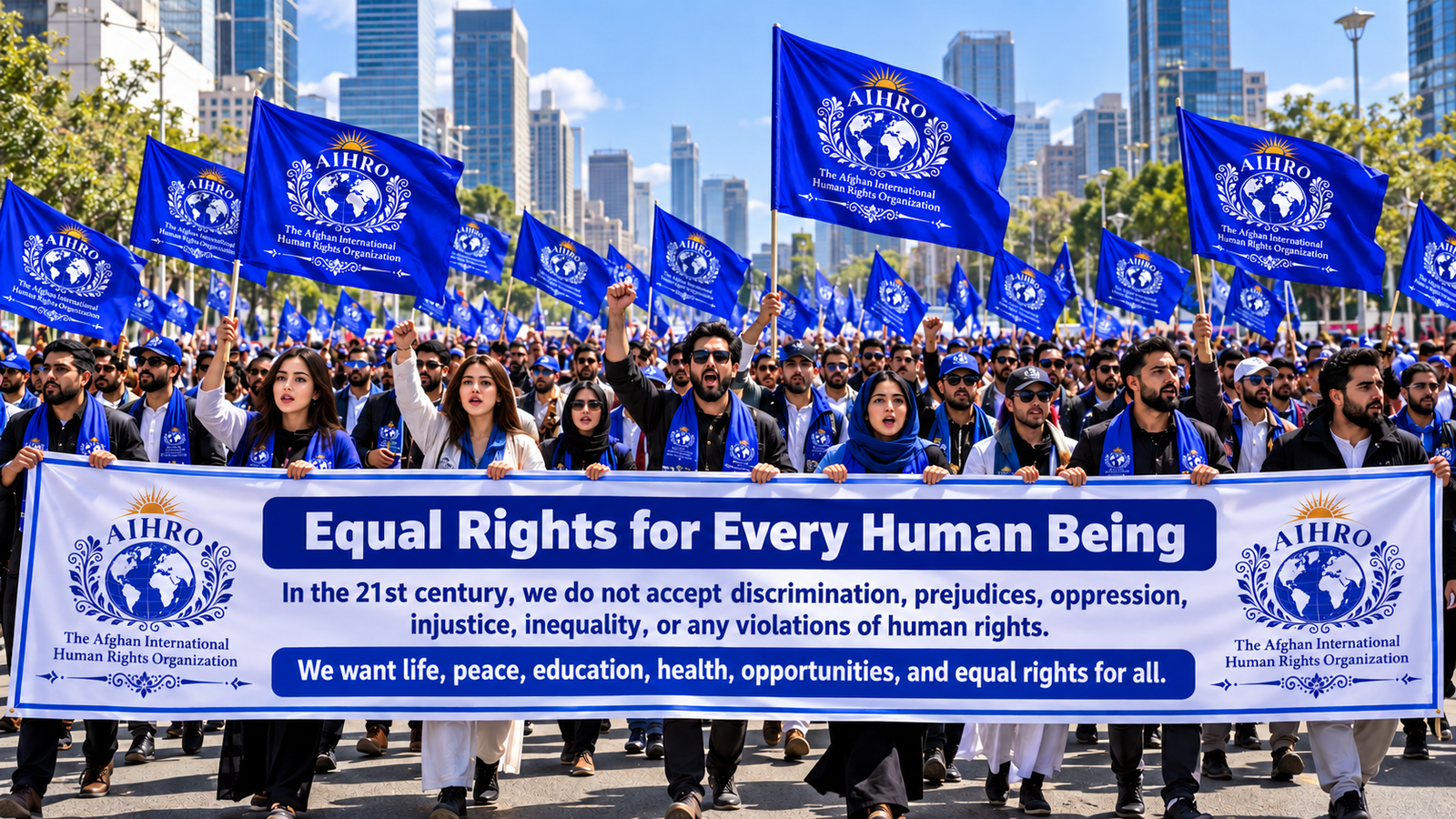
Since the beginning of human life, people around the world have made many efforts at different times to recognize and define the natural rights of human beings. Many definitions, books, and materials have been written about human rights. Here, we briefly and informatively explain the important points of the international legal system of human rights; the principles that define human life, dignity, rights, and the protection of people during war.
Human Beings and Human Rights
Under international human rights principles, every person is considered to have dignity and basic rights simply because they are human. Human rights do not disappear because of a person’s gender, ethnicity, color, language, religion, nationality, or social or economic status.
Women and men are equal in human dignity and basic rights. Every person should have the right to life, freedom, security, justice, and respect for their personality.
Basic Human Rights
Important basic human rights include the rights to life, human dignity, security, freedom, education, health, work, family, equal opportunities, and freedom of expression, thought, and belief.
People should be protected from discrimination, prejudice, hatred, torture, humiliation, exploitation, and inhuman treatment. Every person should have a fair opportunity to show and develop their abilities and talents.
The Right to a Healthy Environment
A healthy environment is an important need for human life and health. Clean water, clean air, healthy conditions, and protection from pollution are important needs for a healthy life. Protecting the environment is directly connected to protecting the lives of present and future generations.
The Right to Education
Education is the foundation for developing a person’s thinking, character, and future. Every person should have a fair opportunity to receive education. Education is not only about learning to read and write; it also develops the ability to think, gain knowledge, develop professional skills, and take part in the development of society.
Freedom of Expression, Thought, and Religion
Every person has the right to think, have opinions, and express their views through legal means. Every person also has the right to freedom of conscience, religion, and belief and should not face unfair discrimination or forced treatment because of their beliefs.
Human Beings During War
When an armed conflict occurs, international human rights law and other relevant international rules provide protections for people.
Civilians should be protected from direct attacks during war. Wounded and sick people should be protected and treated according to their condition. People who have surrendered, been captured, or are no longer taking part in the fighting should be protected from torture, humiliation, and inhuman treatment.
The parties to a conflict must distinguish between civilians and military targets and follow the legal limits set for the conduct of war.
What Does International Human Rights Law Require?
International human rights law seeks to ensure that even during war, humanity and human dignity are not lost. It seeks to protect civilians, protect the wounded and sick, ensure humane treatment for people who are no longer taking part in the fighting, and limit the human harm caused by war.
A Full Human Life
A full human life does not only mean staying alive. A person can live a full and dignified life when they have life, security, freedom, justice, education, health, work, family, equal opportunities, freedom of thought and expression, and a healthy environment.
The basic idea of international human rights and international human rights law is that every person deserves dignity and rights simply because they are human, and war, differences, and disagreements should never become a reason to destroy humanity and human dignity.