
Migration is an important part of human life. People leave their homes because of war, insecurity, political and religious pressure, economic problems, natural disasters, harassment, and other difficult conditions. They move to other areas and countries in search of safety, stability, and a better future.
Becoming a migrant does not take away a person’s rights. A person who has left their country still has human dignity and the right to life, safety, justice, and basic human rights. International human rights principles emphasize that migrants should be treated as human beings, with respect and without discrimination.
Basic Rights of Migrants
Every migrant has the right to live in a safe environment and to be protected from torture, violence, insults, and inhuman treatment. Migrants also have the right to enjoy their legal rights under the protection of the law.
Migrants have the right to fair treatment in health, education, work, family life, legal identity, justice, and other basic social and human rights. A migrant’s economic or legal situation should not reduce the value of their human dignity.
Protection from Discrimination
Migrants should not face unfair discrimination because of their ethnicity, language, religion, nationality, skin color, gender, political opinion, cultural background, or migration status.
Different administrative treatment of migrants may be allowed in some cases under the laws of countries. However, all treatment should follow the principles of human dignity, justice, and basic human rights.
Right to Asylum and Protection
People who leave their country because of serious harassment, war, persecution, or danger have the right, under international human rights principles, to have their requests for protection and asylum fairly considered.
No person should be sent back to a place where their life, freedom, or safety may face serious danger. Every asylum request should be considered in a fair and humane way.
Right to Family Reunification
Migration separates many families from each other. Being together with family is an important part of a healthy human life. Therefore, as much as possible, there should be suitable and fair legal ways for families to reunite. Family separation can negatively affect the health and mental well-being of migrants. Therefore, all governments around the world should give proper attention to family reunification for migrants.
Migrants’ Right to Work and Education
Migrants need work and education to use their abilities and build their future. Fair work, safe working conditions, proper wages, and educational opportunities play an important role in the social integration and independent life of migrants.
Migrants should not become victims of forced labor, human trafficking, or exploitation because of their basic needs.
Protection of Children and Other Vulnerable Migrants
During migration, children, women, older people, persons with disabilities, and sick people may face special risks. Their safety and needs should receive special attention.
Children should not be deprived of education, health care, family care, or their basic rights because of migration.
Responsibilities of Migrants
The rights of migrants are also connected with responsibilities. Every migrant should respect the laws of the country, the rights of other people, public order, and social rules. Respecting the law and other people is necessary for a healthy life together.
Our Position
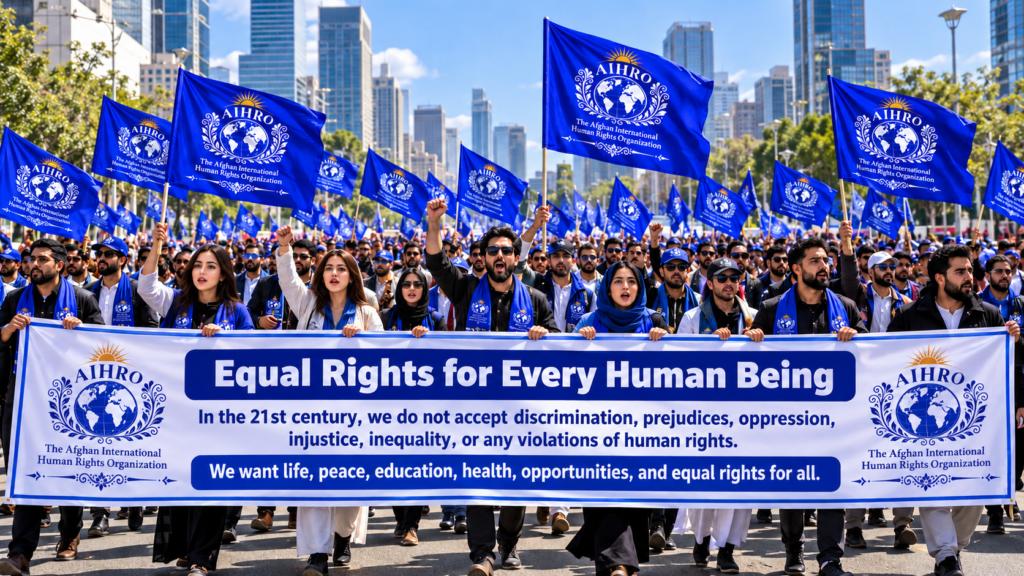
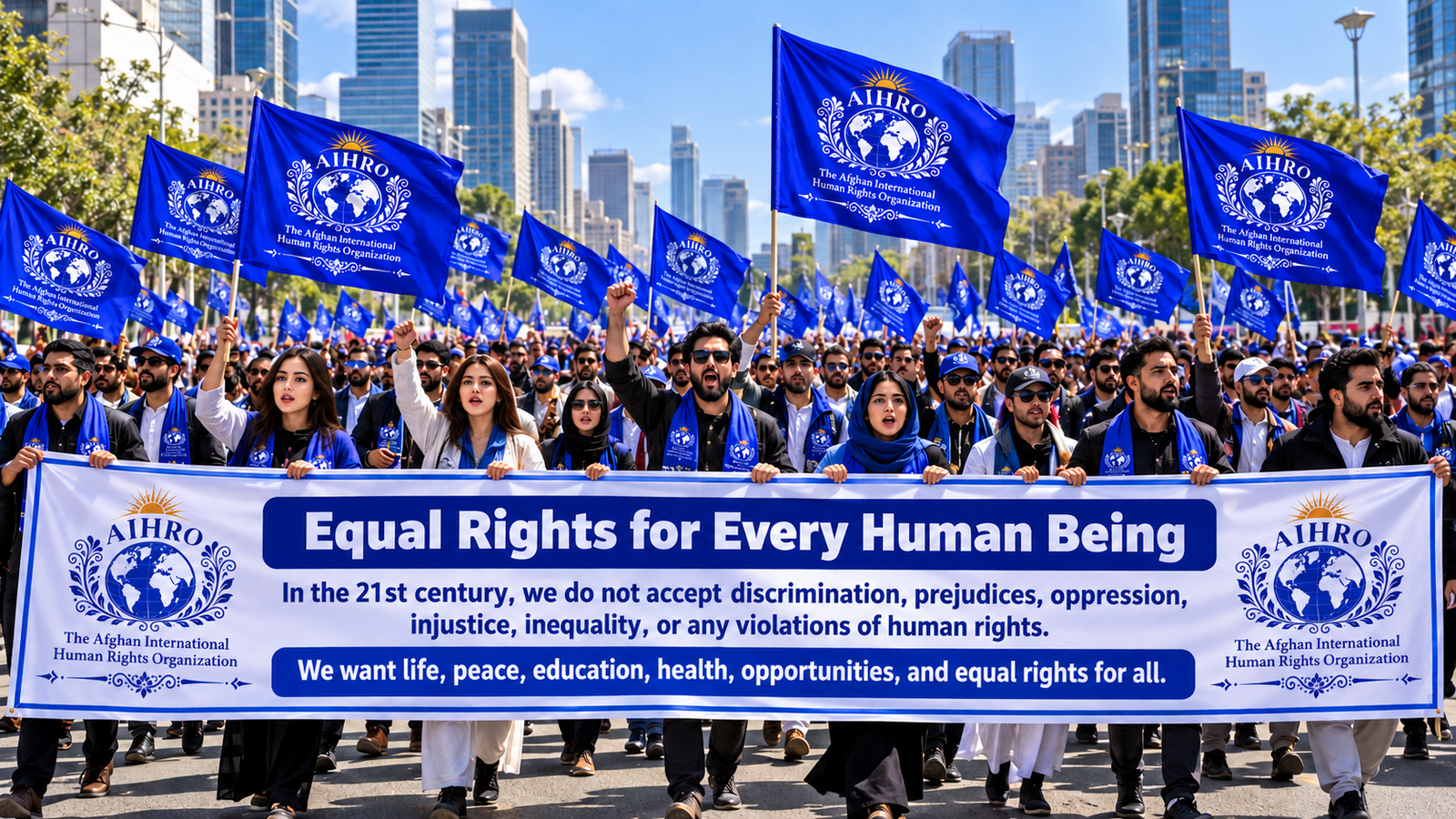
The Afghan International Human Rights Organization believes that migrants should enjoy their human rights, dignity, and legal protection. We support migrants who have left their homes because of war, harassment, insecurity, poverty, and other difficult conditions and are looking for safety and a better future.
The Organization works to raise public awareness about migrants’ rights, raise their legal concerns, support human rights principles against discrimination and unfair treatment, and work with relevant legal and civil organizations to help solve the problems of migrants.
Being a migrant does not mean losing your humanity; human dignity, life, and basic rights do not end at borders.